
The Plant and What We Harvest
Cannabis is an annual flowering plant. It grows from seed or a rooted cutting, builds roots and leafy structure, responds to the season or a controlled light schedule, and produces flowers as its cycle advances. For flower production, cultivators focus on female plants because their dense floral clusters develop the resin-rich surfaces that carry the plant's most distinctive compounds. The harvested portion is the flower, together with a small amount of close surrounding leaf that is shaped during trimming.
A mature flower is a compact botanical structure rather than a single petal. Bracts gather around the reproductive parts, pistils extend from those bracts, sugar leaves sit close to the flower, and many individual flower sites build into a larger cola. Resin glands develop across these surfaces. The plant's structure determines how light and air reach each site, while its growth pattern influences spacing, density, and the final shape of each harvested piece.
This botanical view supplies the base for every later judgment. A flower's visual form reflects its genetics and growing environment. Its surface carries evidence of resin development. Its aroma comes from volatile compounds created and preserved across the cycle. The package at a licensed retailer is therefore the final chapter of a living process, with each stage leaving useful information in the flower itself.
The annual cycle also explains why timing appears throughout this publication. A plant builds its framework before it builds mature flowers, and each later stage depends on the health and structure established earlier. The flower seen at retail carries that sequence in compressed form. Branch spacing becomes bud structure, flower development becomes bract shape, resin production becomes surface frost, and the harvest window becomes the maturity visible in trichome heads and pistils.
What Separates Good Flower
Good cannabis flower presents a coherent set of qualities. The surface shows intact trichomes and healthy color. The structure feels appropriate for the cultivar, whether the flower forms in compact pieces or an airier arrangement. The trim gives the flower a clean profile while preserving its resin-bearing surfaces. The aroma arrives with definition, and the moisture level gives the flower a gentle resilience when handled.
Each signal becomes more useful beside the others. Dense structure can be beautifully grown, and open structure can be equally expressive. Bright color can attract the eye, while trichome condition, aroma, cure, and batch freshness complete the quality picture. A practised buyer reads the whole flower: growth, handling, and preservation work together, so the strongest assessment also works as a complete one.
Aroma provides an especially immediate view into freshness and care. Terpenes are volatile aromatic compounds, so a vivid and recognizable nose suggests that cultivation, drying, curing, packaging, and storage preserved much of the flower's original character. Texture adds another layer. A balanced cure leaves the outside settled and the interior pleasantly resilient, supporting clean handling and a stable experience from the first opening onward.
Consistency across a piece matters as much as intensity in one feature. Strong aroma alongside a balanced texture tells a fuller story than aroma alone. Generous trichome coverage beside lively color and intact bracts adds evidence of development and careful handling. A clear date beside all of those qualities places the observation in time. This layered method is practical because it works even when two cultivars look completely different from each other.
Trichomes and Where the Value Sits
Glandular trichomes are resin-producing glands on the surface of the flower and the small leaves surrounding it. They hold the majority of the plant's cannabinoids and terpenes, which makes their location, abundance, and condition central to understanding flower. Across the plant they appear in several forms, including tiny bulbous glands and larger stalked glands with rounded heads. A broad reference range of roughly 25 to 160 microns is often cited for trichome heads, while published measurements vary by gland type, genotype, and age.
During flower development, trichomes mature with the plant. Their heads begin clear, become cloudy as they develop, and may take on amber tones as the harvest window advances. Cultivators read the balance across many glands, together with the plant's broader maturity, to choose a harvest moment. That timing helps establish the finished flower's aromatic expression, surface character, and overall profile.
Handling matters because the resin sits on exposed surfaces. Thoughtful trimming, packaging, and movement preserve the heads that formed during cultivation. On finished flower, a frosted appearance can signal broad trichome coverage, while close inspection reveals how intact the glandular surface remains. Trichomes connect the living plant to the final quality assessment: they are both a botanical feature and a visible record of how the flower traveled.
Genetics and Why Cultivars Differ
Genetics define the range of traits a cannabis plant can express. Breeders cross parent plants, grow the resulting seeds, observe variation, and select individuals that combine the qualities they value. Those selections may emphasize structure, aroma, resin production, color, timing, consistency, or another clear breeding goal. Repeated selection and careful reproduction can make a line more predictable while preserving its distinctive character.
Every seed carries a fresh combination from its parents, so one cross can produce several phenotypes. A phenotype is the visible and measurable expression of genetics in a particular environment. Breeders may select one outstanding plant and preserve it through cuttings, giving cultivators access to the same genetic individual across future runs. Even then, light, nutrition, temperature, harvest timing, cure, and handling shape the batch that reaches the shelf.
Lineage names the documented family tree, and a cultivar name gives that selection a usable identity. These tools offer context rather than a complete forecast. Many modern commercial cultivars carry extensive ancestry from repeated hybridization, while traditional indica, sativa, and hybrid labels serve as broad historical and commercial shorthand rather than stand-alone measures of ancestry or a current batch. A strong choice pairs breeder records and lineage with current information, especially aroma, harvest timing, terpene profile, and cure.
Genetic language becomes most useful when it leads to observation. A lineage can suggest why a plant forms long open flowers or compact clusters, why one aromatic family appears, or why a breeder selected a particular parent. The selected phenotype shows which traits actually came together. The current batch then shows how one garden, one harvest, and one cure expressed that selection. Each level answers a different question and keeps the cultivar story grounded.
Harvest, Drying, and Cure
Harvest captures a chosen point in the plant's development. Cultivators watch trichome maturity, flower structure, pistil progression, aroma, and the condition of the whole plant. An earlier window highlights one expression of the flower's freshness and aromatic profile; a later window brings additional maturity and a different balance of color and character. The ideal choice follows the cultivar, the growing conditions, and the intended finished profile.
Drying begins the transition from living flower to stable finished flower. Moisture leaves gradually while structure and aromatic compounds respond to temperature, humidity, darkness, and air movement. Curing follows in sealed containers, allowing remaining moisture to settle more evenly while the aromatic profile continues to change and is evaluated. Common industry dry-and-cure practice often spans several weeks, with the exact method and duration following the flower and producer.
Terpenes respond quickly to heat, light, and time, and losses through drying, curing, and storage can reach half the total. Cool, dark, steady conditions preserve a larger share of the aromatic fraction. Freezing at harvest is another pathway when preserving that fraction for a different format is the priority. For raw flower, a careful dry and cure create the balanced texture, defined nose, and stable character that a buyer can recognize at the counter.
How to Choose at the Counter
Choosing begins with the kind of occasion you are planning. Session length, sharing, preparation, and portability narrow the useful formats. From there, the current batch becomes the focus. A menu can supply cultivar, category, potency, package size, and sometimes a terpene panel or harvest date. Reading those details in a deliberate order turns a list of numbers and names into a practical picture.
Start with format and freshness, then read lineage, aroma information, and batch details together. A potency percentage measures a defined part of the sample, while the terpene panel adds aromatic composition and proportion. Harvest and package dates place both measurements in time. The strongest reading uses the complete panel: the numbers describe the batch, and sensory information describes how well its character arrived.
A budtender can connect the printed menu to the flower available that day. Useful questions cover harvest date, cure, dominant aromatic notes, batch consistency, structure, and the way current inventory compares within the same category. Clear preferences help the conversation: citrus or earthy aroma, compact or open structure, raw flower or an infused format, a short personal session or a shareable option. Specific questions invite specific answers.
A simple comparison can be recorded in a few words: date, aroma, structure, moisture, and format. Those notes build a personal reference across visits without turning preference into a universal rule. One buyer may consistently value bright citrus and an open flower, while another may prioritize earthy depth and compact structure. The quality method remains shared even when preferences differ, because both people can describe the batch clearly and trace the choice back to observable information.
The Presidential Catalog
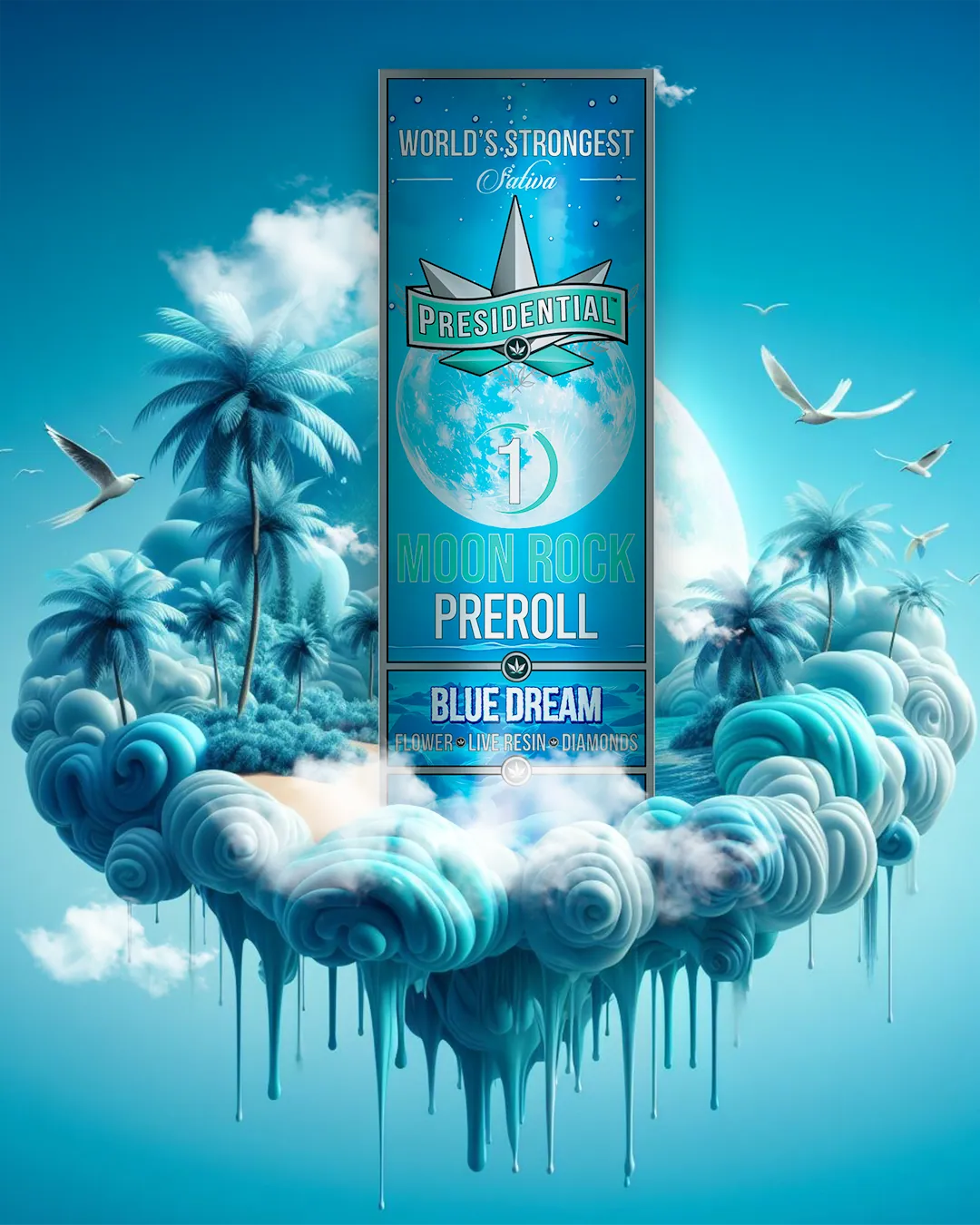
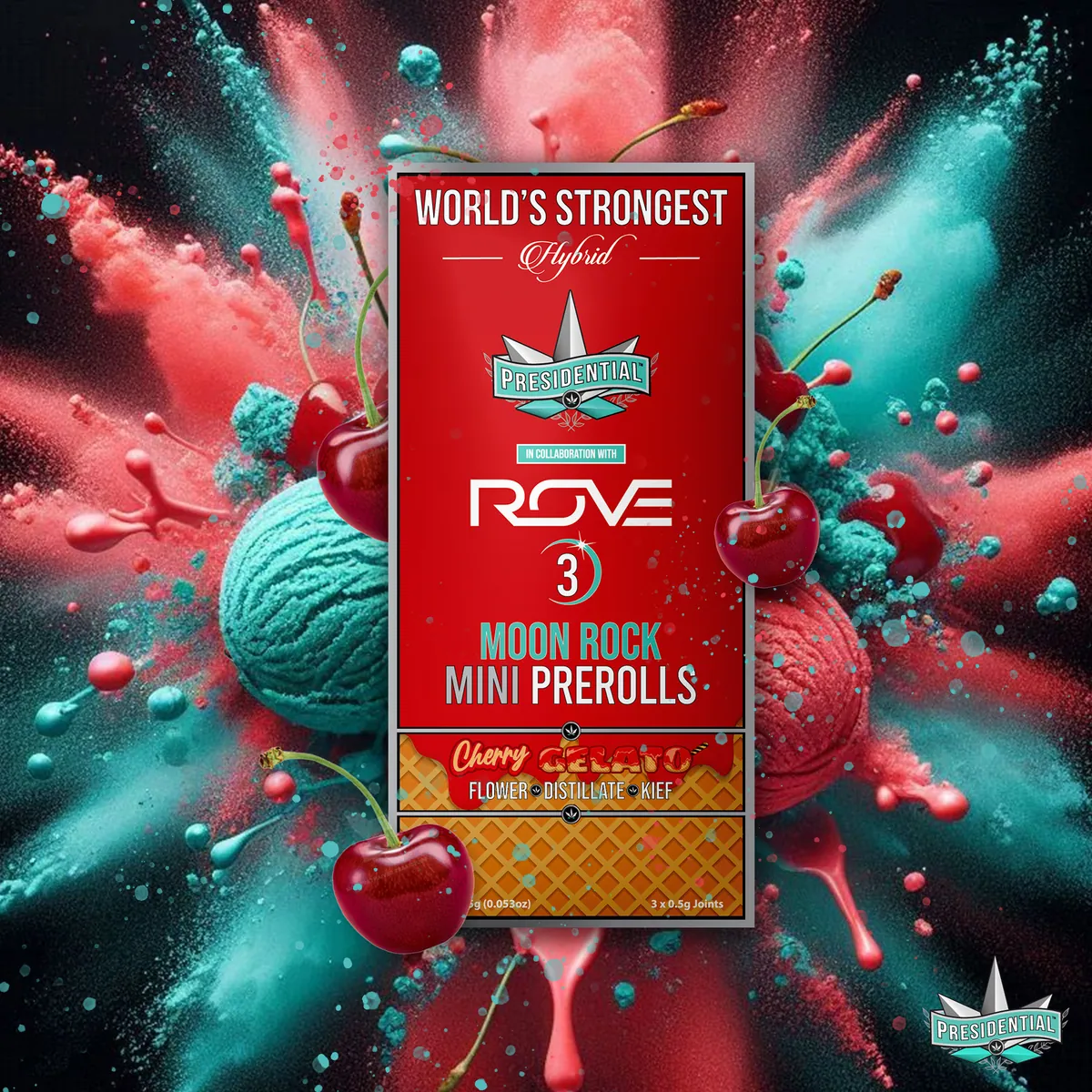
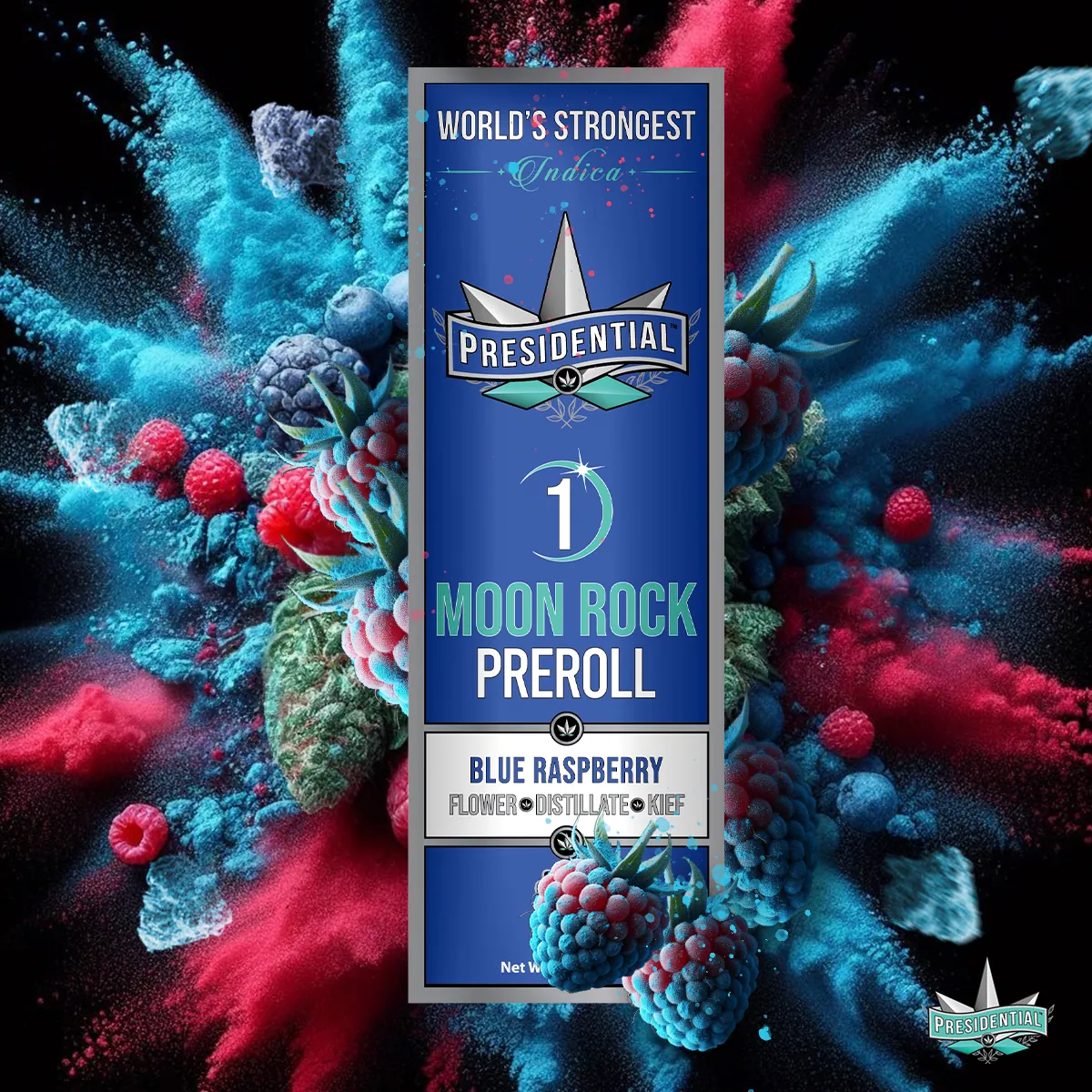
Presidential began in Los Angeles in 2012 and serves licensed retailers through a wholesale model. The catalog contains 47 products across six groupings, with flower quality forming the common foundation. Each grouping has its own visual language and place in the collection, while Moon Rocks, infused pre-rolls, tobacco-free blunts, and minis provide a range of formats for different occasions.
The groupings make a broad catalog easier to navigate while keeping the common foundation visible. A series name organizes character, artwork, and placement within the collection. The format organizes the practical purchase. The current product label supplies the cultivar or flavor identity and batch details. Reading those layers in order helps a buyer move from the full Presidential range to one item that fits the occasion, all while keeping flower quality at the center.
- The Silver Flavor Series includes seven bright, flavor-led selections with an accessible place in the collection.
- The Gold Strain Series includes nineteen cultivar-focused selections and forms the broadest part of the catalog.
- The Rose Gold Connoisseur Series includes five elevated selections with a more curated presentation.
- The Presidential Line includes ten house signatures shaped around distinctive identities and artwork.
- The Presidential House Line includes three core expressions that carry the brand's foundational character.
- Presidential x THC Design includes three collaborations built on estate-grown flower cultivated by THC Design.
Where Presidential Is Sold
Presidential is available through licensed retailers. Current markets include California, Oklahoma, New York, Nevada, Michigan, and Arizona, with Florida and Washington opening. Because the company operates wholesale, retail inventory and individual product availability belong to each licensed store. The main Presidential retailer locator supplies the direct route from the catalog to participating locations.
A retailer visit also gives the batch-level detail that a national catalog naturally summarizes. Local menus show the products on hand, package sizes, current dates, and pricing. Budtenders can describe the available flower and formats. That combination keeps the publication and the purchase path distinct: this site explains the plant and the choosing process, while licensed retailers provide the inventory that exists in a particular place and moment.
Knowing It Is Authentic
Authentic Presidential products travel through licensed retail channels and carry consistent Presidential identity across the package. The clearest path begins with the main Presidential site and its retailer locator, then continues through the licensed store's current menu. This route connects the published catalog, the store, and the physical product in a simple sequence that supports a confident purchase.
Packaging supplies useful confirmation through the crest, series identity, product information, required labeling, and batch details. The licensed retailer supplies the second layer through its menu and sales process. Together, those signals create a complete chain from Presidential to the counter. A buyer can then return to the flower itself—aroma, structure, trichome condition, cure, and freshness—to understand the quality inside the package.
The four sections of this publication make that assessment repeatable. The Plant explains the living source. The Flower collects the visible, aromatic, and tactile quality signals. Genetics explains lineage, phenotypes, and batch variation. Choosing turns those ideas into a practical counter conversation. Read together, they form one reference for understanding what flower is, how it develops, and how to recognize a well-made result.
That map gives the site a lasting purpose. A reader can begin with one question, follow it into a focused silo, and return to the pillar whenever the wider relationship matters. The flower remains the connecting object: grown by the plant, shaped by genetics, preserved through harvest and cure, and evaluated through a practical choosing method.